By Ron Fansler
November 4, 2026
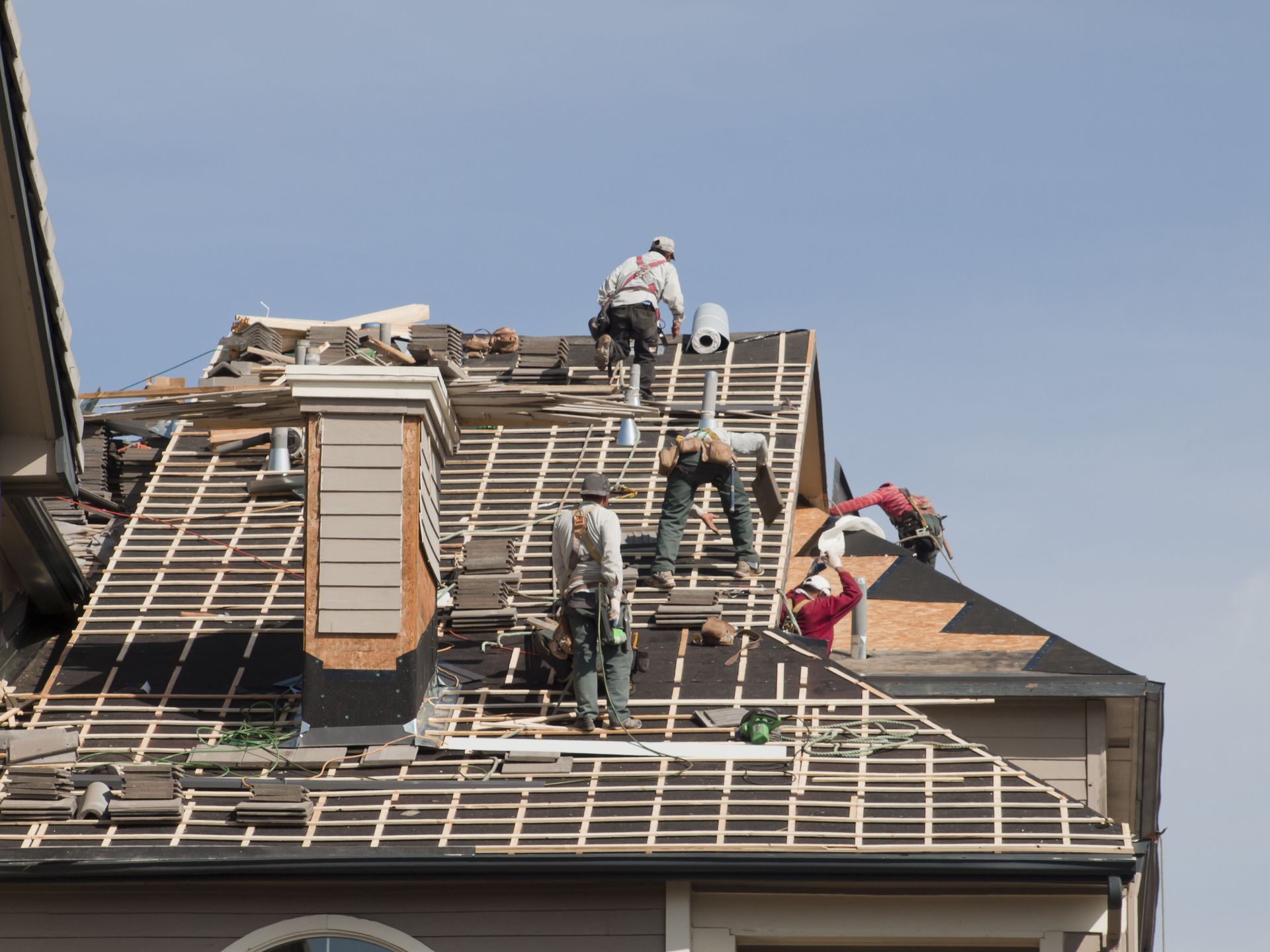
Maintaining a sturdy overhead structure represents an essential responsibility for every homeowner seeking long-term architectural stability. Over time, continuous exposure to harsh elements causes wear that eventually requires comprehensive structural renewal. Homeowners often struggle to determine the ideal period during the calendar year to undertake major exterior renovations. Choosing the right moment requires a thorough understanding of regional weather shifts, seasonal humidity patterns, and local contractor availability. Proper timing ensures that modern building components adhere correctly while shielding living areas from unexpected moisture infiltration. Thoughtful planning also minimizes disruption to family routines and prevents weather-related project delays.
Each season presents unique advantages and distinctive obstacles for crews handling extensive exterior work. Environmental factors such as daily temperature swings, persistent rainfall, intense sunshine, and frozen precipitation directly influence installation efficiency and sealant performance. Learning how local climate shifts interact with structural materials empowers property owners to make confident choices regarding their home preservation goals. Understanding seasonal cycles helps coordinate roof replacements with optimal atmospheric conditions, ensuring exceptional craftsmanship and lasting structural defense for decades of reliable performance.
Navigating Spring Weather Patterns
Springtime arrives with refreshing energy as melting frost gives way to warmer afternoons, making it an appealing period for property improvements. Many residents emerge from cold months eager to address structural issues noticed during harsh winter storms. Shingle manufacturers design modern asphalt materials to respond well to moderate temperatures, allowing adhesive strips to activate naturally without excessive heat exposure. Furthermore, undertaking exterior renovations during early spring allows homeowners to restore building envelopes before summer heat waves arrive. The pleasant ambient air creates comfortable working environments for installation crews, supporting high daily productivity and precise craftsmanship across complex architectural designs.
However, springtime also brings unpredictable rain showers and sudden thunderstorms that can disrupt construction schedules. Roofing contractors must closely monitor regional barometric shifts to prevent moisture intrusion while structural decking remains exposed. Professional teams rely on heavy protective tarps and rapid-sealing underlayments to safeguard interior spaces during unexpected downpours. Securing an early place on a contractor schedule remains crucial, as industry demand climbs rapidly as the season develops. Homeowners who arrange their roof replacements during early spring often enjoy flexible scheduling options prior to the intense surge of mid-year residential renovation projects, allowing for seamless coordination from initial inspection to final clean-up.
Managing Summer Temperature Demands
Midsummer brings extended daylight hours and consistently dry weather patterns that provide lengthy, dependable working windows for building specialists. Extended sunshine allows teams to make significant structural headway each day without constant concerns about unexpected rain interruptions. The stable atmospheric environment allows crews to remove worn coverings, examine supporting wood decking, and apply defensive water barriers seamlessly. High solar exposure accelerates the bonding process of asphalt shingle adhesives, creating tight seals that resist future windstorms. These dependable summer weather cycles make the warmest months a favored period for completing extensive exterior restorations.
Despite these benefits, intense summer heat introduces specific operational challenges that skilled workers must navigate carefully. Soaring afternoon temperatures can soften asphalt shingles, requiring technicians to handle materials delicately to prevent scuffing or cosmetic imperfections. Experienced crews frequently adjust their daily working hours, starting at dawn to complete complex installations before extreme midday temperatures peak. Property owners planning roof replacements during summer months should anticipate high contractor demand. Booking services well ahead of warm weather ensures homeowners secure their desired construction window while avoiding extended midsummer waiting periods.
Maximizing Autumn Installation Windows
Many industry professionals regard autumn as the ideal window for residential exterior construction due to pleasant temperatures and lower atmospheric humidity. The moderate daily climate creates favorable conditions for both workers and materials, avoiding the intense heat of summer and the bitter chill of late winter. Shingle bonding agents adhere securely under mild autumn sunlight, establishing reliable protection before severe winter storms arrive. In addition, dry fall conditions minimize the risk of indoor moisture damage during the structural tear-off process, providing peace of mind for families throughout construction.
Project duration during this period varies depending on multiple architectural factors. According to HomeGuide, completing a full overhead installation generally spans one to eight days, depending on selected building materials, overall structure dimensions, architectural slope, and general project intricacies. Autumn presents an exceptional seasonal opportunity to complete such projects before frozen weather arrives. However, because autumn conditions are widely recognized as optimal, contractor schedules fill up extremely fast. Homeowners interested in fall roof replacements should initiate consultations during late summer to guarantee calendar placement before seasonal cold snaps begin.
Addressing Winter Climate Challenges
Winter brings freezing temperatures, heavy snowfall, and icy conditions that make exterior construction significantly more complex. In colder climates, traditional asphalt shingles become brittle and vulnerable to cracking during handling and mechanical fastening. Furthermore, specialized thermal adhesive strips require warmth to seal completely, often necessitating manual application of specialized asphalt adhesives by experienced technicians. Snow accumulation and frozen roof surfaces also introduce notable safety considerations for installation specialists, demanding specialized safety rigging and meticulous workspace management.
Despite these climatic hurdles, modern equipment and advanced cold-weather techniques enable professional crews to execute winter projects successfully when conditions allow. Some property owners face emergency situations where severe windstorms, fallen tree branches, or sudden structural failures mandate immediate action regardless of the calendar month. Qualified contractors manage winter roof replacements by closely monitoring mild weather windows and warming shingles prior to installation. Addressing critical structural vulnerabilities during cold months prevents interior ceiling damage and protects indoor living environments from harsh winter weather, preserving peace of mind throughout the most demanding climatic periods.
Preparing Property Grounds for Construction
Achieving successful project outcomes requires thorough advance preparation across your property grounds prior to the arrival of installation equipment. Regardless of the chosen season, home occupants should clear driveways, patios, and walkways of personal vehicles, outdoor furniture, and decorative lawn ornaments. Heavy construction traffic and waste disposal containers require unobstructed access to maintain safe and efficient workflow. Trimming overhanging tree limbs before work commences protects workers and prevents falling branches from damaging newly installed exterior materials.
Indoor preparations are equally vital when organizing large residential improvements. The vibrations generated by removing old materials and hammering new shingles can transfer through rafters and interior wall framing. Removing delicate mirrors, pictures, and unsecured decor from upper-level interior walls prevents accidental breakage during active construction. Communicating with neighbors regarding scheduled work dates fosters goodwill and ensures surrounding residents anticipate temporary noise. Taking these proactive steps creates a secure, organized environment that streamlines roof replacements and protects surrounding property features throughout the entire remodeling phase.
Every season presents distinct environmental characteristics that influence residential exterior improvements. Balancing seasonal weather tendencies with personal timing preferences allows property owners to select the most advantageous installation window for their specific situation. Careful evaluation of temperature patterns, local precipitation trends, and contractor availability guarantees that modern architectural materials perform as intended. Working alongside seasoned specialists ensures your home receives superior protection tailored to withstand unpredictable regional weather shifts and environmental wear.
Proactive scheduling remains the most effective way to secure qualified installation crews and avoid unnecessary delays. When property owners take time to plan their roof replacements in alignment with regional weather patterns, the entire renovation process progresses smoothly from start to finish. If you are ready for exceptional exterior craftsmanship, contact us at Battle Creek Home Exteriors LLC today. We will help you navigate seasonal considerations and achieve a durable, beautifully finished home exterior.